What does it all mean?
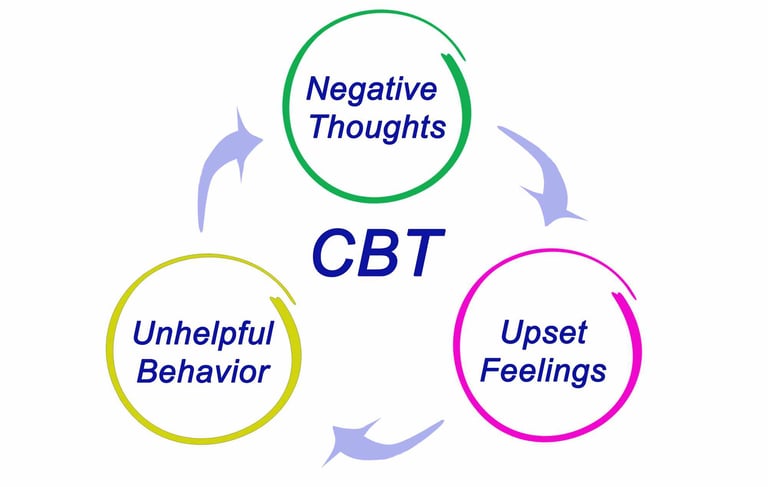
Cognitive Behavioural Therapy (CBT)
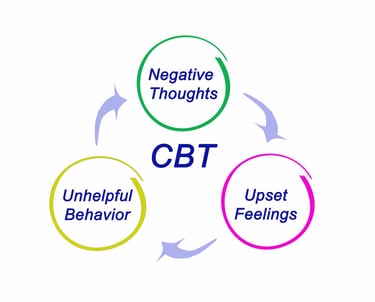
Cognitive Behavioural Therapy (CBT) is a type of therapy that focuses on how thoughts, behaviours and feelings interact to influence each other. The goal of CBT is to help individuals identify and challenge their negative beliefs and replace them with more positive ones. CBT is effective in treating a variety of mental health conditions, such as depression, anxiety, and post-traumatic stress disorder (PTSD). It is often used in combination with other treatments to improve overall mental health and wellbeing. It is a practical and evidence-based approach.
Resource Therapy
Resource therapy is a form of psychotherapy that focuses on identifying and utilising a client's internal resources to promote healing and growth. These resources can include positive memories, strengths, and skills that the client may have forgotten or undervalued. The therapist works with the client to access and activate these resources, which can help them develop a more positive outlook and cope with difficult emotions and experiences. This form of therapy is grounded in the belief that everyone has the capacity for healing and growth, and that by tapping into these internal resources, clients can overcome obstacles and achieve their goals. Resource therapy can be effective in treating a wide range of mental health concerns, including anxiety, depression, trauma, and addiction.
Expressive Therapies
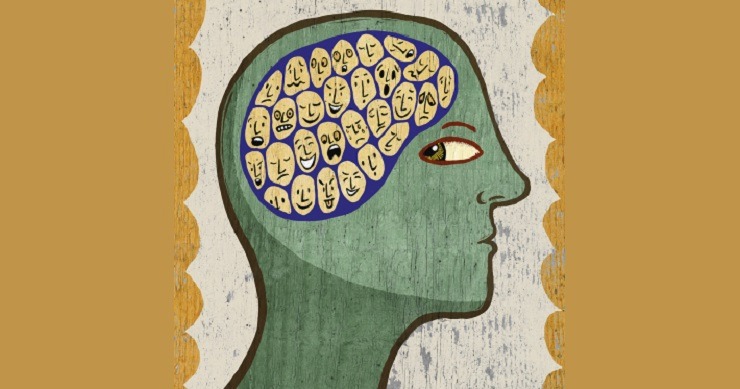
Expressive therapies are a form of therapy that utilises creative arts to help individuals express themselves. This type of therapy can involve various forms of artistic expression including music, writing, drama and visual arts. By engaging in these activities, individuals are able to communicate their emotions and experiences in a nonverbal way, which can be helpful for those who have difficulty expressing themselves through traditional talk therapy. Expressive therapies can be especially beneficial for individuals who have experienced trauma or are struggling with mental health issues. This type of therapy has been shown to improve self-esteem, reduce anxiety and depression, and provide a sense of control and empowerment. Overall, expressive therapies offer a unique and effective approach to healing and personal growth.


Acceptance and Commitment Therapy
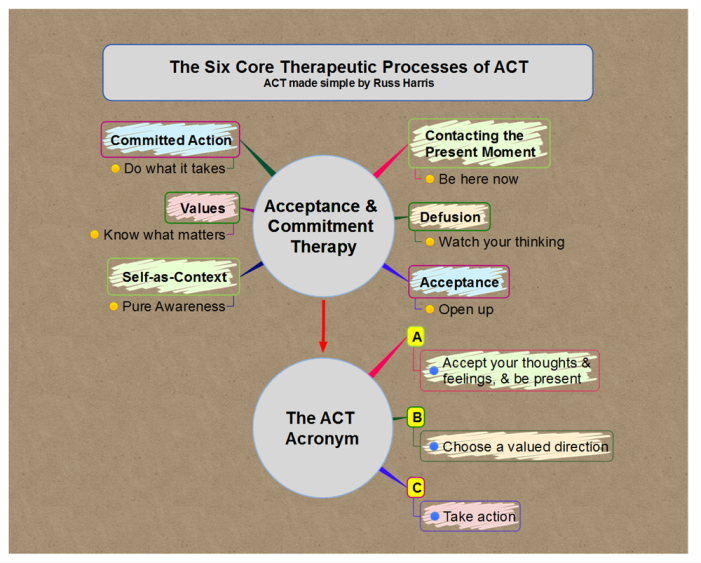
Acceptance and commitment therapy (ACT) aims to help individuals develop psychological flexibility and live a meaningful life. ACT is based on the acceptance of internal experiences such as thoughts, emotions, and sensations, and the commitment to take action towards life values and goals. In ACT, individuals learn to observe their thoughts and feelings without judgment and to understand that they do not define them as a person. Instead, they are encouraged to accept their experiences as they are and to focus on what is within their control. By doing so, individuals can learn to relate differently to their experiences, reduce their distress, and take steps towards their desired outcomes. ACT has been shown to be effective in treating a range of mental health conditions, including depression, anxiety and chronic pain.

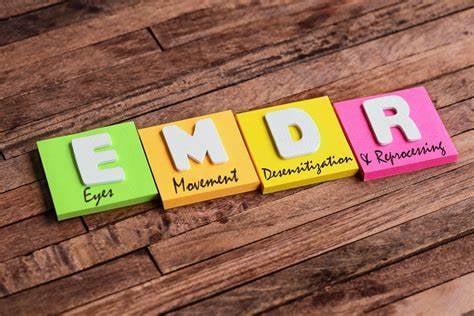
EMDR (Eye Movement Desensitisation & Reprocessing)
Eye movement desensitisation and reprocessing (EMDR) is a type of therapy used to treat post-traumatic stress disorder (PTSD) and other mental health conditions. It is considered the gold standard in trauma work. The therapy involves the use of bilateral stimulation, which can be achieved through eye movements, sounds or taps. The aim is to help individuals process traumatic memories and feelings that have been stored in the brain in an unprocessed form. During EMDR therapy, individuals are asked to focus on a traumatic memory, while simultaneously following a therapist's finger or hand movements with their eyes. The bilateral stimulation is believed to activate the brain's natural healing processes, allowing the individual to reprocess the traumatic experience in a less distressing way. Research has shown EMDR to be efficient and effective at treating trauma and associated symptoms.